


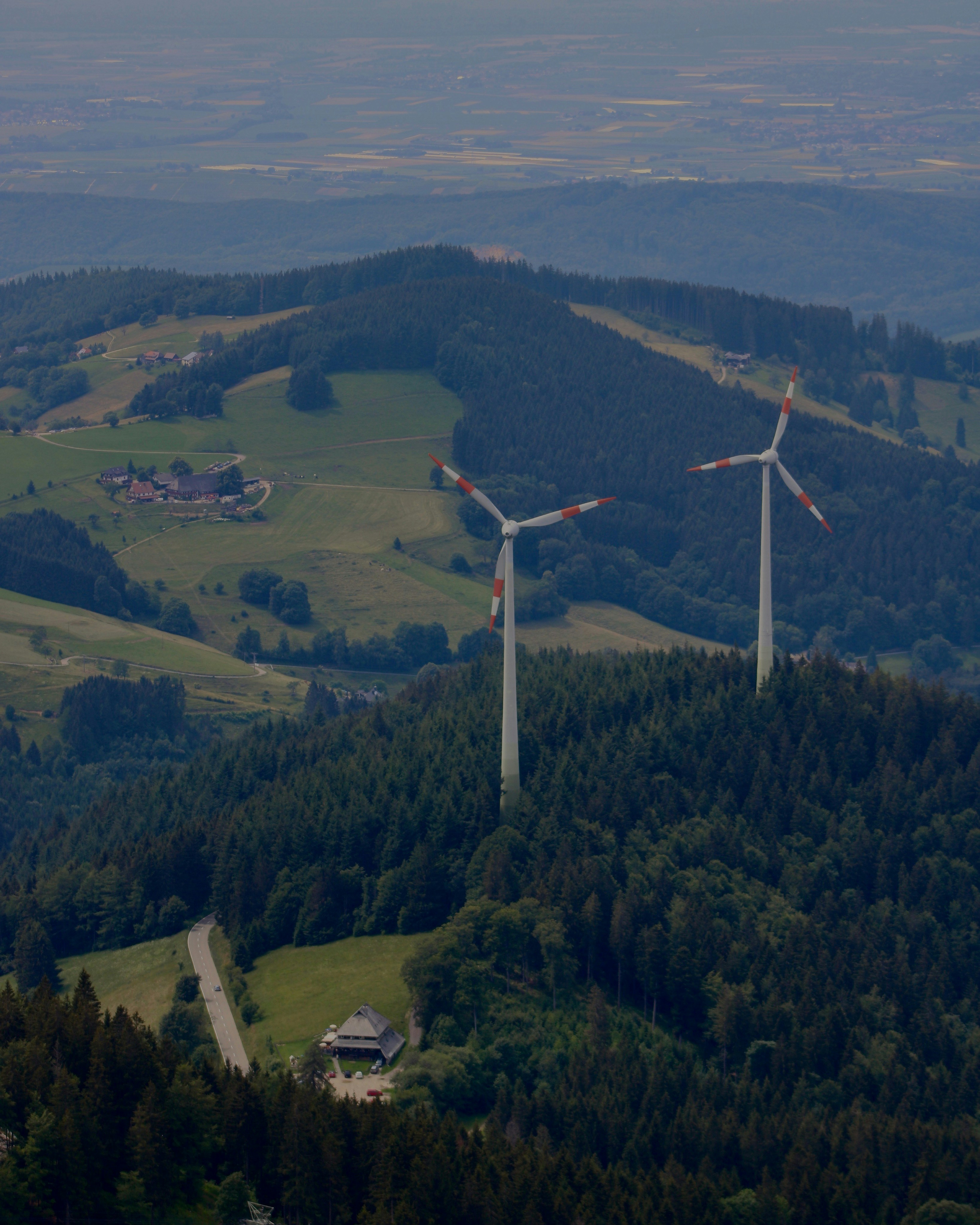
Introduction to Wind Resource Assessment
Wind resource assessment is a critical process that entails the collection and analysis of data related to wind patterns and conditions at a specific site. It plays a pivotal role in the development of wind energy projects, where understanding wind behavior is fundamental to determining the viability and potential energy output of a site. The key objectives of this assessment include identifying regions with favorable wind speeds and identifying site-specific characteristics that may affect the performance of wind turbines.
In the context of the evolving energy landscape of 2025, accurate wind resource assessment is becoming increasingly significant. As countries and organizations strive towards sustainable energy solutions, the efficiency of wind energy measurement methods has come to the forefront. Advanced technologies, such as meteorological (met) mast installation, allow for precise data collection over extended periods, leading to more reliable assessments of wind resources. This data not only aids in the selection of optimal turbine models but also ensures that financial investments in wind energy projects yield substantial returns.
<pfurthermore, a="" and="" are="" as="" assessment="" assessments="" assessments,="" associated="" aware="" can="" challenges.="" conducting="" demand="" designs="" energy="" enhance="" evolving="" for="" gaining="" globally,="" has="" inaccurate="" investors="" is="" lead="" methodologies="" momentum="" more="" now="" of="" operational="" p="" performance.
Ultimately, a comprehensive understanding of wind resources, derived from meticulous assessments, is crucial for driving successful wind energy initiatives in 2025 and beyond. Accurate assessments not only support strategic decision-making but also contribute to the long-term sustainability and competitiveness of the wind energy market.
The Role of Accurate Data in Wind Project Planning
Accurate wind resource assessment is critical for the successful planning and implementation of wind energy projects. This process relies heavily on detailed data to inform various aspects of project development, including site selection, turbine design, and energy yield predictions. Each of these elements is deeply interconnected with the quality of the data gathered during preliminary assessments.
Site selection is one of the first and most vital steps in wind project planning. Optimal locations for wind farms are determined by analyzing wind speed, direction, and frequency of storms through energy measurement techniques. The precision of this data strongly affects the choice of site, ensuring that wind turbines are installed in areas with the highest potential for energy generation. Any inaccuracies can lead to suboptimal installations and reduced energy output, making reliable data indispensable.
Furthermore, accurate wind resource assessments significantly influence turbine design. Different turbines are engineered to operate under specific wind conditions. When developers have precise measurements of a site’s wind characteristics, they can select or even customize turbines that are best suited for those conditions. This increases the efficiency of energy conversion and enhances the overall performance of the wind farm.
Energy yield predictions are another critical aspect affected by accurate data. By utilizing reliable wind resource assessment, stakeholders can forecast how much energy the project is likely to produce. These projections are essential for financial modeling, which in turn attracts investors and secures funding. Having confidence in these numbers allows project developers to minimize risks associated with financing and operational costs. Thus, the value of detailed wind energy measurement cannot be overstated, as it lays the foundation for sound decision-making throughout the planning process.
Technological Advances in Wind Measurement Tools
The field of wind resource assessment has experienced rapid advancements in recent years, significantly enhancing the accuracy and reliability of wind energy measurement. Among the groundbreaking technologies are Light Detection and Ranging (LIDAR) and Sonic Detection and Ranging (SODAR), both of which are transforming how wind measurements are conducted. These tools provide high-resolution data on wind profiles, making them invaluable for met mast installation and ongoing wind monitoring efforts.
LIDAR technology employs laser beams to gauge wind speeds and directions at various heights above ground, offering a three-dimensional view of the wind resource. This method enables engineers and project developers to evaluate wind conditions with unprecedented precision, leading to informed decision-making when developing wind projects. Additionally, LIDAR is portable and capable of operating in remote locations, where traditional wind measuring devices may be challenging to install and maintain.
On the other hand, SODAR utilizes sound waves to capture wind data. This technology is especially beneficial for assessing wind conditions at different altitudes, making it suitable for comprehensive site evaluations. SODAR can deliver continuous data over extended periods, which is essential for nuanced wind resource assessment. This allows developers to understand long-term wind patterns that are crucial for optimizing the turbine layout and enhancing overall project performance.
Furthermore, advanced meteorological towers have also evolved, integrating sophisticated sensors that collect data such as wind speed, direction, temperature, and turbulence. These towers provide a more exhaustive overview of climatic conditions, which in turn informs the viability and design of wind projects. Collectively, these technological innovations in wind measurement tools substantially contribute to accurate wind resource assessment and play a pivotal role in the success of upcoming wind energy initiatives.
Financial Implications of Wind Resource Assessment Errors
Accurate wind resource assessment is a critical element in the successful development and operation of wind energy projects. Errors in this phase can result in significant financial ramifications, which can jeopardize the viability of an entire project. Cost overruns are a primary concern; when the wind energy measurement is flawed, developers may underestimate the capital required for turbine installation, infrastructure, and maintenance. Such misjudgments can lead to delays and increased expenditures, ultimately straining project budgets.
Another major financial implication arises from miscalculations in return on investment (ROI). An inaccurate assessment of the wind resources at a potential site may lead to optimistic energy production forecasts. If actual output falls short of these projections, the revenue generated can be significantly less than anticipated. This discrepancy can impact financing arrangements, as lenders and investors may reassess the risk associated with the project. Consequently, low ROI may deter future investment in similar ventures, creating a ripple effect within the renewable energy sector.
Moreover, undetected inaccuracies in wind resource assessments can lead to poorly sited wind turbines or inefficient layouts. The installation of met masts to gather precise data may not always counteract earlier errors in assessment. This scenario not only diminishes energy output but also raises operational costs, as unnecessary maintenance and adjustments become commonplace. The overall financial health of a wind project hinges on initial resource assessments; therefore, stakeholders must prioritize precision in these evaluations to safeguard against potential failures.
In conclusion, the financial stakes involved in wind resource assessment errors are profound. Ensuring accuracy in wind energy measurement is key to avoiding cost overruns, maximizing ROI, and sustaining project feasibility. As the demand for renewable energy continues to rise, the importance of diligent assessments cannot be overstated.
Impact of Climate Change on Wind Patterns
The influence of climate change on wind patterns is an increasingly critical consideration in the context of wind resource assessment. As global temperatures rise due to human activity, shifts in atmospheric pressure and temperature gradients are altering the behavior of wind systems. These changes can have significant implications for wind energy measurement, specifically regarding the reliability of historical data and the predictability of future wind resources.
In many regions, alterations to wind patterns can result in both increased variability and changes in the intensity of wind speeds. For wind project developers, this means that traditional wind resource assessments may no longer suffice, as they often draw from historical data that may not accurately reflect future conditions. As climate change continues to progress, the importance of utilizing advanced climate models in the assessment process becomes clearer. Integrating these models allows for a more comprehensive understanding of how shifts in climate are affecting both seasonal and long-term wind patterns, thereby improving the accuracy of wind energy measurement.
Moreover, the installation of met masts is essential for collecting real-time data in specific locations, providing valuable insights into local wind conditions influenced by climate change. This data can then be analyzed in conjunction with climate model projections to make informed decisions regarding the viability of wind energy projects. Effective wind resource assessment should consider potential climate scenarios over the lifespan of the project, ensuring that any strategies developed are resilient against future variability. As we move towards 2025, the necessity to adapt to these changing conditions becomes paramount, demanding innovation and thorough analysis in the field of wind energy development.
Case Studies: Successful and Failed Wind Projects
Wind energy has emerged as a critical component in the global transition towards renewable energy, yet the success of wind projects heavily relies on precise wind resource assessment. Various case studies illustrate the significant role that accurate wind energy measurement plays in determining project outcomes, whether victorious or unsuccessful.
One notable success story is the Hornsea Project One, located off the coast of the United Kingdom. Through meticulous wind resource assessment and the implementation of comprehensive wind energy measurement techniques, developers were able to accurately estimate the wind availability in the region. As a result, Hornsea Project One has become one of the largest offshore wind farms globally, with a capacity exceeding 1.2 gigawatts, successfully harnessing the wind resource and providing sustainable energy to over a million homes. The precise met mast installation allowed for a better understanding of local wind patterns, ultimately guiding turbine placements and optimizing energy output.
Conversely, the failure of the Cape Wind project in Massachusetts provides a cautionary tale regarding the importance of comprehensive assessments. Initially touted as a pioneering offshore wind initiative for the United States, Cape Wind faced numerous challenges, including regulatory hurdles and public opposition. However, an aspect of the project that significantly contributed to its downfall was an inadequate evaluation of the wind resource. The data, derived from a less sophisticated assessment, did not fully capture the regional wind patterns and seasonal variations. This miscalculation led to an underestimation of operational efficiency, resulting in budget overruns and ultimately halting the project.
These diverse case studies highlight that thorough wind resource assessment, including the accurate collection of wind energy measurement data and careful site analysis, is foundational to the feasibility and success of wind projects. The lessons learned from successful and failed efforts emphasize the necessity of employing advanced methodologies and technologies in met mast installation and wind resource evaluations to ensure optimal project outcomes.
Best Practices for Conducting Wind Resource Assessments
Conducting a thorough wind resource assessment is pivotal for ensuring the success of wind energy projects. Implementing best practices not only enhances the accuracy of wind energy measurement but also minimizes the risks associated with project development. One of the primary guidelines is to utilize multiple methods for assessing wind resources. Relying on various data collection techniques—such as remote sensing, in-situ measurements from met masts, and historical data analysis—can provide a comprehensive understanding of the wind profile in a given area. Each method has its strengths, and their combined application can yield more reliable results.
Data validation is another critical aspect of effective wind resource assessment. It involves the systematic verification of the accuracy and consistency of the wind data collected. This may include cross-referencing data from different sources, evaluating sensor calibration, and identifying any anomalies in the data. Establishing a robust validation process ensures that the findings are credible, thus supporting more informed decision-making down the line.
Long-term monitoring of wind conditions is essential for capturing variations over time. Wind patterns can shift due to seasonal changes, climate variations, or other factors. By deploying met mast installations for an extended period, companies can gather extensive datasets that reflect these dynamics. Consistent monitoring and data collection over multi-year intervals can enhance reliability and provide insights that short-term measurements may overlook.
Finally, collaboration with experienced professionals in the field is crucial. Engaging specialists who have a proven track record in wind resource assessment can facilitate access to advanced techniques and methodologies, ultimately leading to more accurate results. By following these best practices, companies can significantly improve the effectiveness of their wind resource assessments, ensuring a strong foundation for the successful development of future wind projects.
Future Trends in Wind Resource Assessment
As the wind energy sector continues to evolve, the methods and technologies used for wind resource assessment are also advancing. One significant trend is the integration of artificial intelligence (AI) and machine learning into wind energy measurement processes. These technologies have the potential to enhance the accuracy and efficiency of wind resource assessment, thus contributing to more successful wind projects in the future.
AI algorithms can analyze vast amounts of data collected from meteorological masts (met masts) and other sources, enabling project developers to identify patterns and trends in wind behavior. This intelligence can optimize the siting of wind turbines and improve energy yield predictions. Moreover, with the incorporation of machine learning techniques, the assessment process can continuously refine itself, learning from historical data to predict future wind resource availability more reliably.
In addition to AI, advanced remote sensing technologies such as LiDAR (Light Detection and Ranging) are becoming increasingly prevalent in wind resource assessment. This method offers high-resolution wind profile data, allowing for a more nuanced understanding of the wind landscape across particular regions. The adoption of these innovative technologies not only streamlines the met mast installation process but also significantly reduces the time required for comprehensive wind measurements, promoting quicker project development timelines.
Furthermore, the focus on sustainability is pushing the industry towards more eco-friendly assessment methods. This includes leveraging digital twins and simulations to evaluate prospective wind sites without extensive physical interventions, which can be both costly and environmentally disruptive. Such advancements indicate a broadening scope for wind resource assessment, emphasizing precision and sustainability in the measurement processes.
In conclusion, as the wind energy sector looks towards 2025, the future of wind resource assessment is set to be defined by technological innovations that enhance accuracy and efficiency, ensuring that the projects developed are indeed viable and capable of providing sustainable energy solutions.
Conclusion: The Path Forward for Wind Energy in 2025
As the demand for renewable energy continues to rise, accurate wind resource assessment becomes increasingly crucial for the success of wind projects in 2025 and beyond. Throughout this discussion, we have highlighted the importance of comprehensive wind energy measurement techniques, including the strategic installation of meteorological masts (met masts), in determining viable sites for wind farms. These assessments not only provide valuable data on wind patterns and speeds but also help in forecasting energy production potential, allowing developers to make informed decisions.
The advancements in technology, such as remote sensing methods and enhanced data analytics, are reshaping how we conduct wind resource assessments. By integrating these innovations, we can reduce uncertainties in wind energy predictions and optimize investment strategies. Additionally, it emphasizes the necessity of aligning wind energy projects with local environmental and economic considerations to maximize benefits and minimize impacts.
Looking forward, it is evident that the future of wind energy will require ongoing innovation and adaptation. As climate change concerns grow and energy demands evolve, the wind energy sector must remain agile. This entails refining wind resource assessment methodologies, adopting advanced measurement technologies, and committing to sustainability in every aspect of project development. Stakeholders, including policymakers, energy developers, and researchers, must collaborate to enhance our understanding of wind energy potential while ensuring responsible leadership in the energy transition.
In conclusion, the integral role of accurate wind resource assessment cannot be overstated. It serves as the foundation for successful wind projects, significantly influencing their viability and effectiveness in meeting the energy needs of 2025 and the future. By prioritizing precise wind energy measurement and embracing technological advancements, we can pave the way for a more sustainable and resilient energy landscape.